

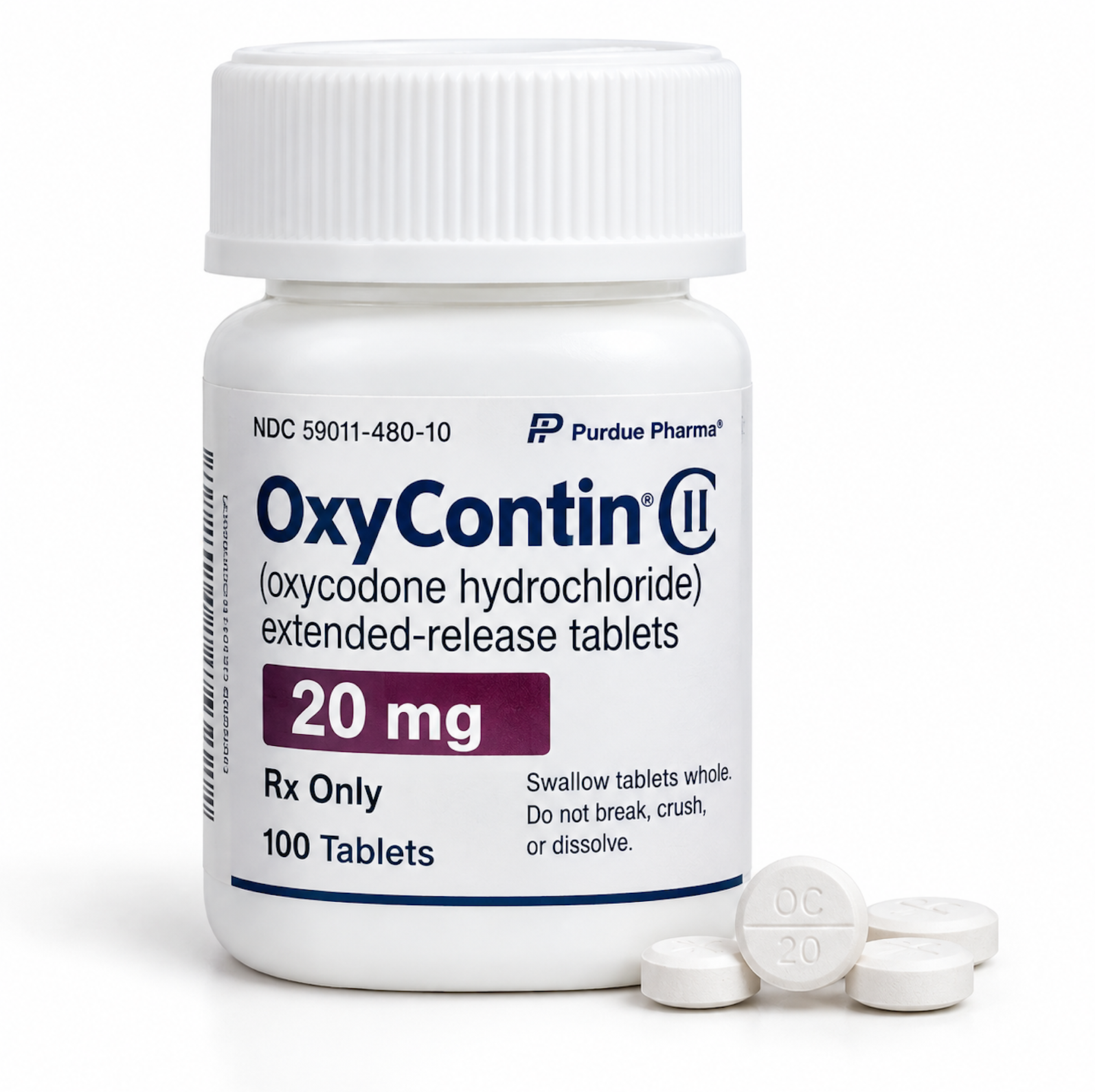
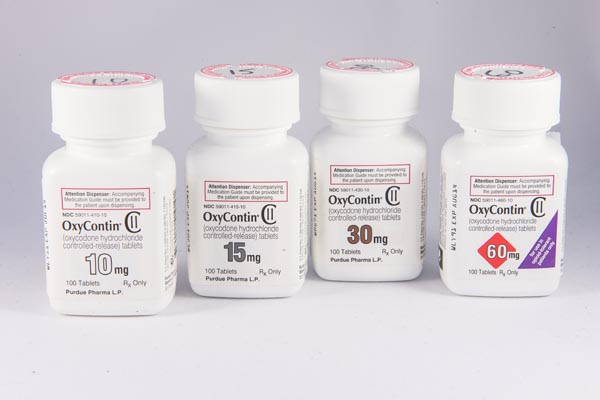
Description
OXYCONTIN (Oxycodone Hydrochloride Extended-Release Tablets)
OXYCONTIN contains oxycodone hydrochloride, an opioid agonist formulated as an extended-release oral tablet. In the first place, it is a prescription opioid indicated for the management of severe and persistent pain that requires an opioid analgesic when alternative treatment options are inadequate. Also, OXYCONTIN is intended for scheduled treatment and is not indicated for use as an as-needed pain medicine.
Because OXYCONTIN is an extended-release opioid, it is reserved for carefully selected patients when other appropriate treatment options do not provide adequate pain management. More so, the medication carries serious risks, including addiction, abuse, misuse, overdose, and potentially fatal respiratory depression.
OXYCONTIN tablets must be used exactly as prescribed. Further, the tablets should be swallowed whole and must not be crushed, chewed, or dissolved, because altering the extended-release formulation can cause rapid release and absorption of oxycodone and may result in a potentially fatal overdose.
Key Medication Information
- Active ingredient: Oxycodone hydrochloride
- Brand: OXYCONTIN
- Dosage form: Extended-release oral tablet
- Medication class: Opioid analgesic
- Controlled substance: Schedule II (CII)
- Route: Oral
- Primary use: Management of severe and persistent pain requiring an opioid when alternatives are inadequate
- Administration: Scheduled dosing as prescribed; not an as-needed medication
Important Safety Information
As a matter of fact, OXYCONTIN has a boxed warning for addiction, abuse, misuse, life-threatening respiratory depression, accidental ingestion, neonatal opioid withdrawal syndrome, drug interactions, and serious risks associated with other central nervous system depressants.
Combining OXYCONTIN with alcohol, benzodiazepines, or other central nervous system depressants can increase the risk of profound sedation, respiratory depression, coma, and death. Certain CYP3A4 drug interactions can also increase oxycodone exposure and the risk of potentially fatal overdose.
OXYCONTIN should be prescribed and monitored by healthcare professionals experienced in the use of extended-release opioids. Patients should follow their prescription and Medication Guide and discuss all medications and substances they use with their healthcare professional.
OXYCONTIN Oxycodone Hydrochloride Extended-Release Tablets
OXYCONTIN (oxycodone hydrochloride extended-release) is a long-acting opioid agonist formulated for scheduled oral administration. Current U.S. prescribing information indicates OXYCONTIN for adults with severe and persistent pain requiring an opioid analgesic when alternative treatments, including appropriate immediate-release opioids, are inadequate. It is also indicated for opioid-tolerant pediatric patients 11 years of age and older who meet the labeling requirements.
The extended-release formulation is designed for controlled delivery of oxycodone. OXYCONTIN is not intended for as-needed use, and tablets must be swallowed whole. Crushing, chewing, or dissolving the tablets can release oxycodone rapidly and substantially increase overdose risk.
OXYCONTIN is a Schedule II controlled substance with significant risks of addiction, abuse, misuse, respiratory depression, overdose, and death. Appropriate patient selection, individualized dosing, monitoring, and counseling are essential. Concomitant use with benzodiazepines, alcohol, or other CNS depressants can produce profound sedation and respiratory depression, while certain CYP3A4 interactions can increase oxycodone exposure.
Reviews
There are no reviews yet.