

Description
Bayer Aspirin Pain Tablets | Aspirin Uses, Benefits & Safety
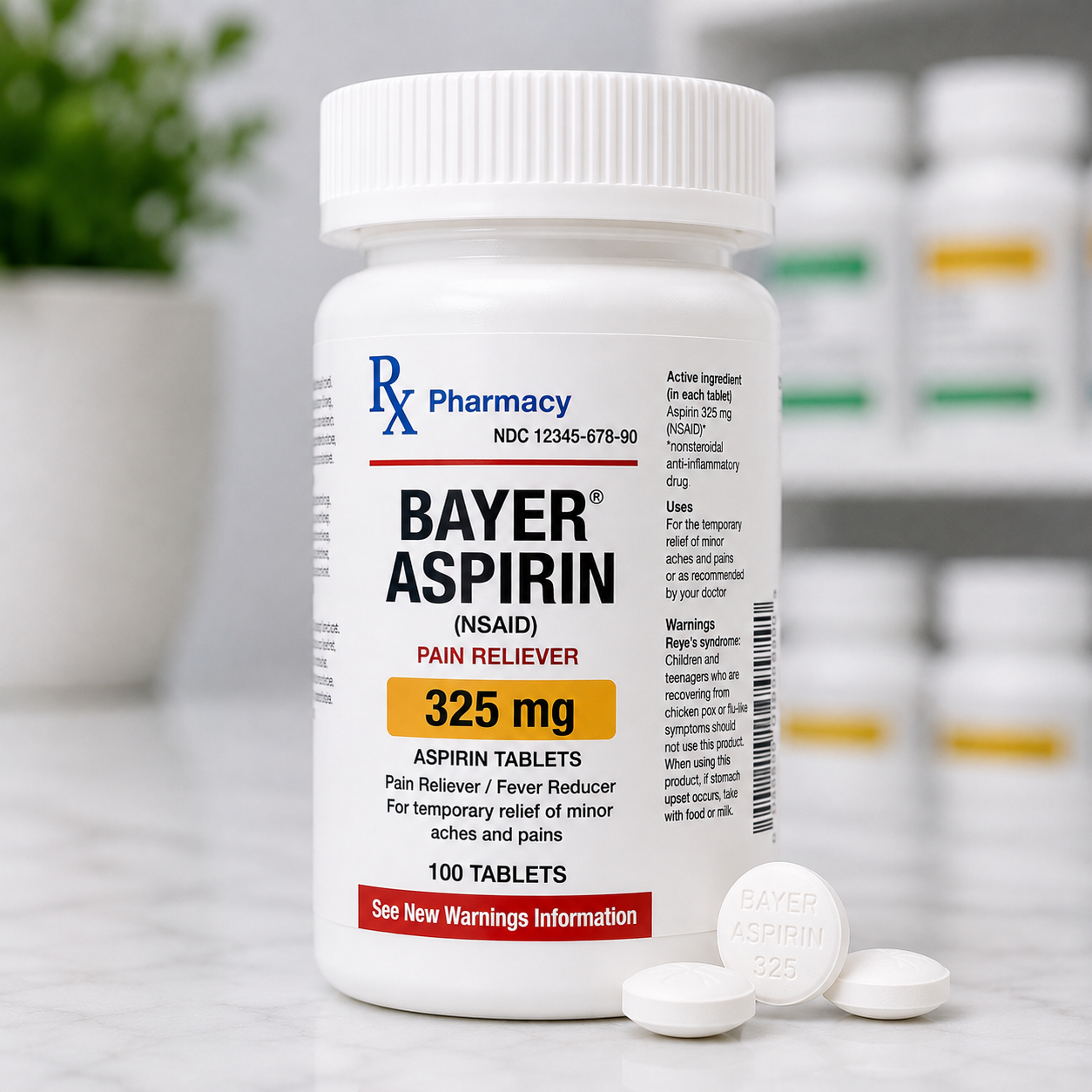
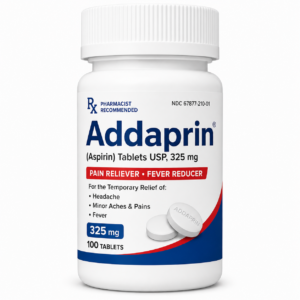
Bayer Aspirin is an aspirin-based pain-relief medication. Aspirin belongs to the salicylate/NSAID family and works by blocking substances involved in pain, inflammation, fever, and blood clotting. It can provide temporary relief of common minor aches and pains and reduce fever when used according to the product labeling.
Bayer’s product monograph lists several oral formulations, including 325 mg regular-strength tablets, 500 mg extra-strength tablets, 81 mg delayed-release tablets, and 81 mg chewable tablets. The appropriate product should be selected according to the specific intended use and package directions.
Aspirin also has antiplatelet effects and is used in specific cardiovascular situations under medical guidance. However, pain-relief use and low-dose cardiovascular use are not interchangeable, so patients should not start daily aspirin for heart attack or stroke prevention without discussing it with a healthcare professional.
Bayer Aspirin pain relief tablets
Bayer Aspirin tabletsBayer Aspirin pain medicationAspirin acetylsalicylic acid tabletsBayer Aspirin pain relief medicationBayer Aspirin regular strength tabletsBayer Aspirin extra strength tabletsAspirin tablets for pain and feverBayer aspirin oral tablets- Bayer Aspirin pain tablets
- Bayer Aspirin tablets
- Bayer Aspirin pain relief
- aspirin tablets
- aspirin pain medication
- Bayer Aspirin medication
- aspirin acetylsalicylic acid
- aspirin pain relief tablets
- aspirin for pain
- aspirin for fever
- aspirin NSAID
- over-the-counter aspirin
- Bayer pain relief tablets
- what are Bayer Aspirin tablets used for
- Bayer Aspirin tablets for pain relief
- Bayer Aspirin for headaches and minor pain
- aspirin tablets for pain and fever
- acetylsalicylic acid tablet uses
- Bayer Aspirin pain medication information
- aspirin tablets side effects and safety
- Bayer Aspirin regular strength tablets
- Bayer Aspirin extra strength tablets
- aspirin pain relief medication for adults
Important Safety Information
Aspirin can cause stomach irritation, ulcers, and gastrointestinal bleeding, particularly with higher doses or prolonged use. People with a history of ulcers or bleeding problems, those taking blood thinners, and people with certain medical conditions should consult a healthcare professional before using aspirin.
Do not give aspirin to children or teenagers with viral illnesses such as influenza or chickenpox unless specifically directed by a healthcare professional, because of the risk of Reye’s syndrome.
Aspirin can also interact with other medications, including ibuprofen and anticoagulants, so patients should review their medicines with a doctor or pharmacist when appropriate.
For pregnancy, aspirin dosing matters: higher doses can pose fetal and delivery risks, particularly later in pregnancy. Pregnant patients should seek professional medical guidance before using aspirin for pain or fever.



Reviews
There are no reviews yet.