

Description
Hydroxyzine Tablets – Prescription Medication
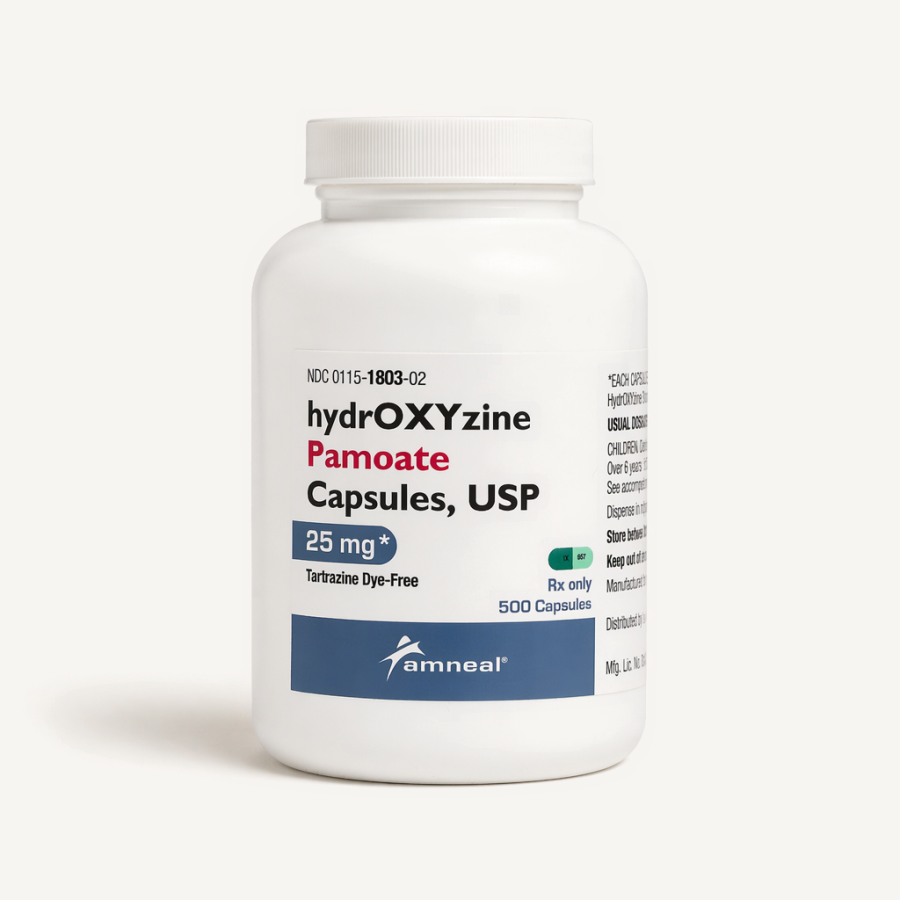
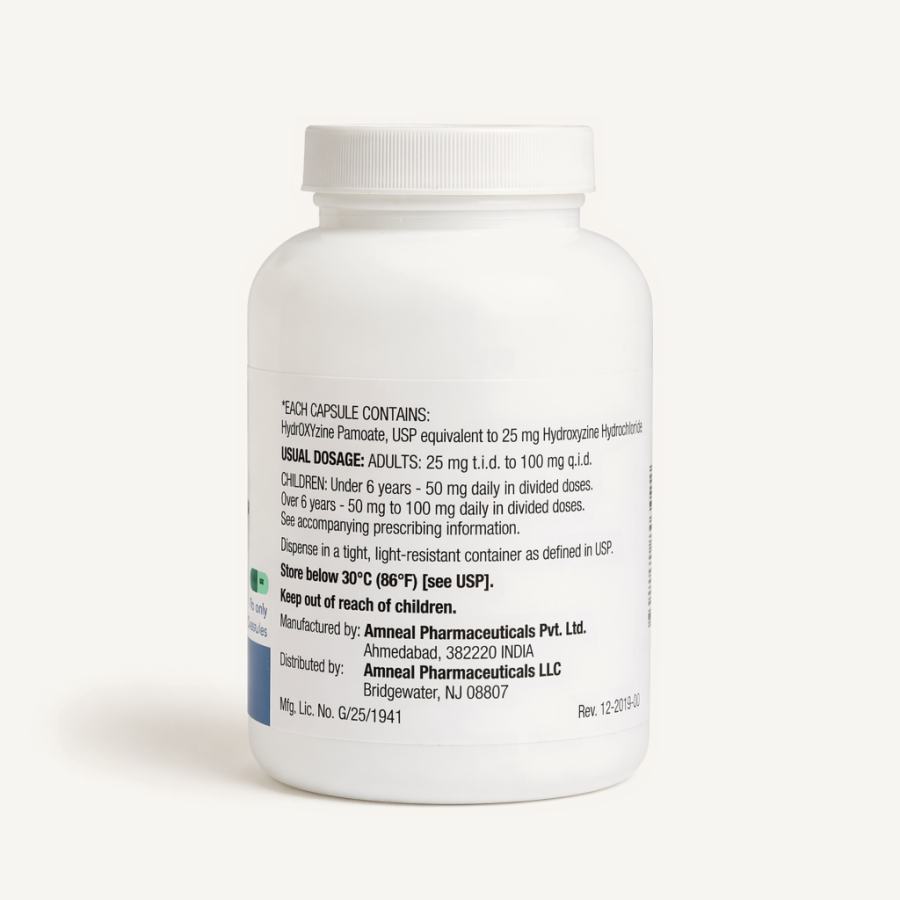
Hydroxyzine Tablets contain hydroxyzine hydrochloride, a prescription antihistamine medication. In the first placeHydroxyzine is used to relieve itching associated with allergic skin reactions, relieve anxiety and tension in certain clinical situations, and provide sedation before or after general anesthesia.
Hydroxyzine works in part by blocking the effects of histamine, a substance involving allergic symptoms. It also decreases activity in certain areas of the brain, which contributes to its sedative effects.
Hydroxyzine hydrochloride tablets are available in 10 mg, 25 mg, and 50 mg strengths, depending on the manufacturer and product. The appropriate strength and dosing schedule should be determine by the prescribing healthcare professional.
Important Safety Information
Hydroxyzine may cause drowsiness, dizziness, dry mouth, or confusion. Patients should avoid driving or operating machinery until they know how the medication affects them. Alcohol can increase some of hydroxyzine’s side effects.
Hydroxyzine also has important heart-related precautions. Current prescribing information warns about QT-interval prolongation and potentially serious abnormal heart rhythms. Patients with a prolonged QT interval or certain heart conditions should discuss the risks with their healthcare professional before using hydroxyzine.
As a matter of fact, Hydroxyzine is a prescription medication and should be taken only as directed by a qualified healthcare professional. Always check the specific manufacturer’s label for strength, ingredients, directions, warnings, and other product information.
Hydroxyzine Tablets – Uses, Strengths & Safety Information
Hydroxyzine hydrochloride is a first-generation antihistamine with sedative properties. Its labeled uses include symptomatic relief of anxiety and tension in specified clinical situations, management of pruritus associated with allergic conditions, and use as a sedative before or after general anesthesia.
The medication is administered orally in tablet formulations, with commonly labeled strengths of 10 mg, 25 mg, and 50 mg. Because hydroxyzine can cause central nervous system effects such as drowsiness and may interact with alcohol or other medications, individualized medical guidance is important. QT prolongation is another clinically relevant safety consideration.
Reviews
There are no reviews yet.