Description
Toradol (Ketorolac) Medication: Comprehensive Guide to Uses, Dosage, Side Effects, and Precautions
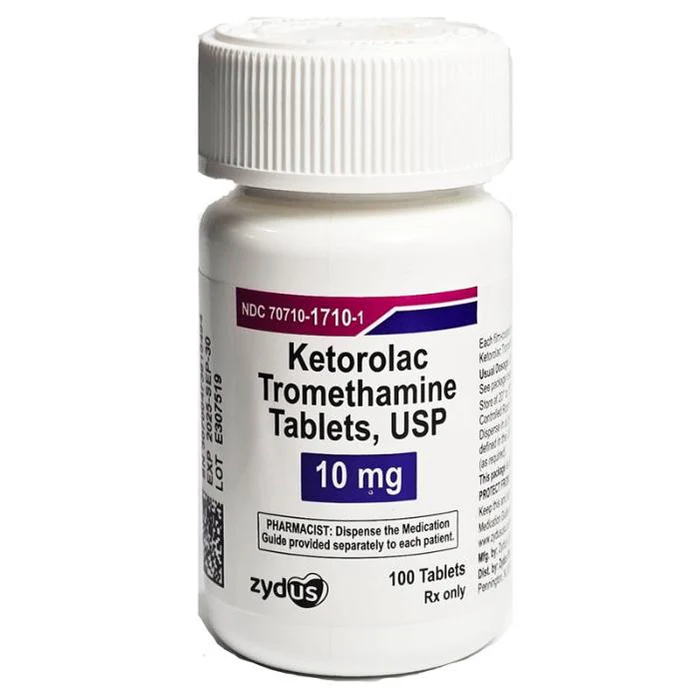
Toradol is the brand name for **ketorolac**, an NSAID that works by reducing hormones in the body that cause inflammation and pain. It is not a narcotic or opioid, so it is non-habit-forming and does not carry the risk of addiction associated with opioids. Ketorolac is often used as an alternative to opioids for managing acute pain, providing relief comparable to some opioids in certain scenarios (e.g., postoperative pain or kidney stones).
**Appearance:** Oral tablets are typically round, white, and film-coated (10 mg strength). Injectable forms come in vials.
Uses of Toradol (Ketorolac)
Toradol is FDA-approved for the **short-term management of moderate to severe acute pain** in adults, typically:
– Postoperative pain (after surgery or procedures)
– Pain from injuries, kidney stones, or migraines
– Other acute painful conditions requiring analgesia at the opioid level
It is **not intended for long-term use** or mild/chronic pain (e.g., arthritis). Maximum duration: **5 days total** (including any combination of injection and oral forms) to minimize risks.
How It Works
Ketorolac inhibits cyclooxygenase (COX-1 and COX-2) enzymes, reducing prostaglandin production, which decreases pain, inflammation, and fever.
Dosage and Administration
– **Injection (IM/IV):** Usually starts in a hospital setting (15–30 mg every 6 hours; max 120 mg/day initially).
– **Oral Tablets:** 10 mg every 4–6 hours (max 40 mg/day), only as follow-up to injection.
– Take with food to reduce stomach upset.
– Dosage adjustments needed for older adults, low body weight, or kidney issues.
Common Side Effects
– Headache
– Dizziness or drowsiness
– Nausea, indigestion, or diarrhea
– Swelling or injection site reactions
Serious Side Effects and Warnings
Toradol carries significant risks, especially with prolonged use:
– **Gastrointestinal (GI) Risks:** Ulcers, bleeding, or perforation (can be fatal, especially in older adults).
– **Cardiovascular Risks:** Increased chance of heart attack or stroke (avoid before/after heart surgery).
– **Kidney Problems:** Acute renal failure, especially in those with preexisting kidney issues.
– **Allergic Reactions:** Rash, swelling, or anaphylaxis.
– **Other:** High blood pressure, liver issues, or severe skin reactions.
**Black Box Warning (FDA):** Risk of serious GI bleeding and cardiovascular events. Not for use longer than 5 days.
Precautions and Contraindications
– Do not use if you have: Active ulcers/bleeding, severe kidney disease, recent heart bypass surgery, or allergy to NSAIDs/aspirin.
– Avoid alcohol and other NSAIDs (e.g., ibuprofen) while taking it.
– Not recommended during late pregnancy (risk to fetus) or breastfeeding.
– Caution in elderly patients or those with heart, liver, or bleeding disorders.
Interactions
May interact with blood thinners, ACE inhibitors, diuretics, or other NSAIDs—inform your doctor of all medications.
Toradol (ketorolac) is effective for short-term severe pain but requires careful use due to potential serious side effects. Seek immediate medical help for signs of bleeding, heart issues, or allergic reactions. For more details, refer to sources like Drugs.com, Mayo Clinic, or FDA labels.