
Description
Escitalopram (Lexapro) For Sale
It is primarily used to treat **major depressive disorder (MDD)** and **generalized anxiety disorder (GAD)** in adults and adolescents (for depression, ages 12 and older). This comprehensive guide covers everything you need to know about escitalopram, including its mechanism of action, dosage, side effects, interactions, and important warnings.
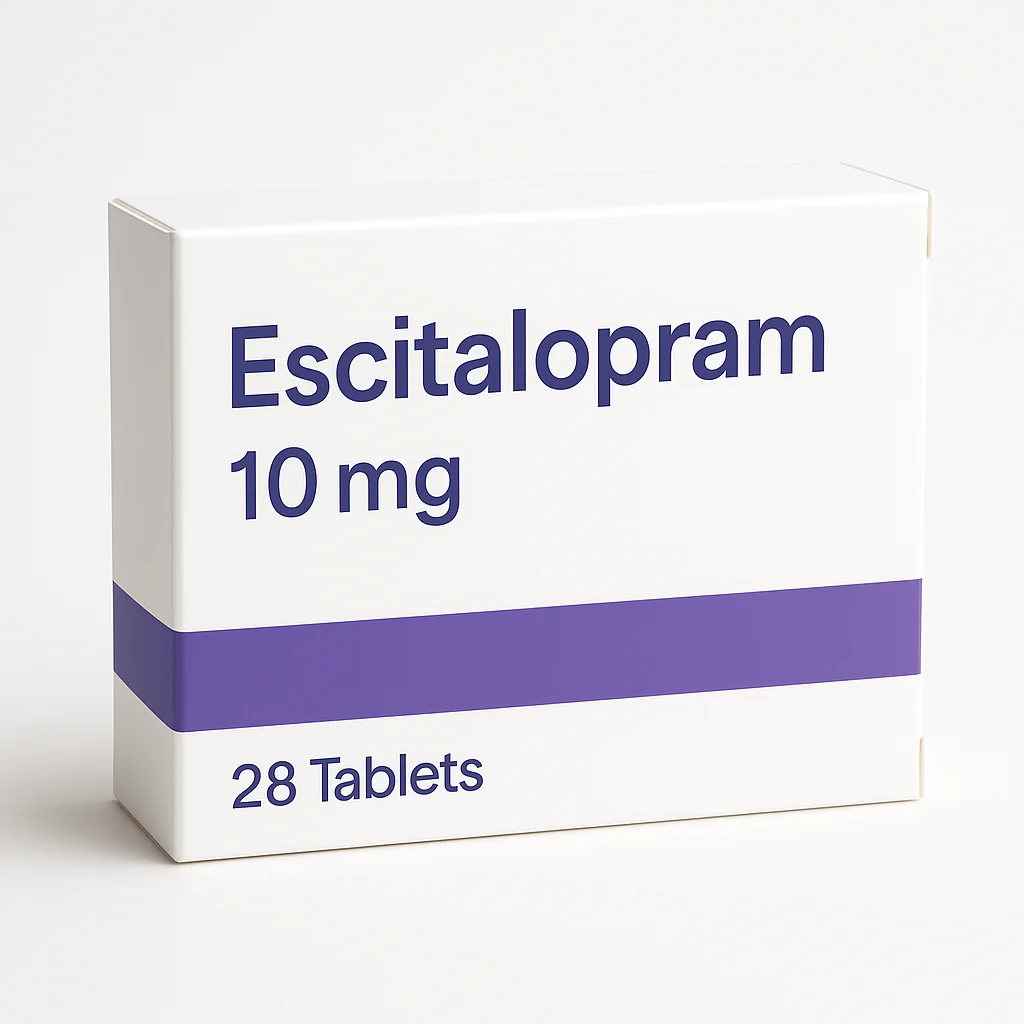
*Examples of escitalopram tablets (generic Lexapro) in various forms and packaging.*
What Is Escitalopram and How Does It Work?
Escitalopram is the S-enantiomer of citalopram, making it a more targeted SSRI. It works by increasing serotonin levels in the brain, a neurotransmitter that helps regulate mood, sleep, and emotions. By inhibiting the reuptake of serotonin, escitalopram helps maintain mental balance and alleviate symptoms of depression and anxiety.
Approved by the FDA in 2002, escitalopram (Lexapro) is available as oral tablets or solution and is considered a first-line treatment for MDD and GAD due to its favorable side effect profile compared to older antidepressants.
Escitalopram Uses
– **Major Depressive Disorder (MDD)**: Treats acute and maintenance phases in adults and adolescents aged 12+.
– **Generalized Anxiety Disorder (GAD)**: Reduces excessive worry and tension in adults.
– Off-label uses may include panic disorder, obsessive-compulsive disorder (OCD), social anxiety disorder, and more.
Escitalopram Dosage
Dosage should always be determined by a healthcare provider. Common guidelines include:
– **Adults (MDD or GAD)**: Starting dose of 10 mg once daily, which may increase to 20 mg after at least one week.
– **Adolescents (MDD, ages 12-17)**: Starting dose of 10 mg once daily, up to 20 mg.
– **Elderly or liver impairment**: Maximum 10 mg daily.
– Take with or without food, preferably at the same time each day.
Do not abruptly stop escitalopram; taper gradually to avoid withdrawal symptoms.
Common Side Effects of Escitalopram
Most side effects are mild and improve over time:
– Nausea
– Dry mouth
– Insomnia or drowsiness
– Headache
– Sexual dysfunction (e.g., decreased libido)
– Sweating
– Fatigue
– Dizziness
Serious Side Effects and Warnings
– **Suicidal thoughts**: Increased risk in children, teens, and young adults—monitor closely.
– **Serotonin syndrome**: Rare but life-threatening; symptoms include agitation, hallucinations, rapid heart rate.
– **Bleeding risk**: Especially with NSAIDs or blood thinners.
– **Hyponatremia**: Low sodium levels, more common in elderly.
– Not recommended during pregnancy (unless benefits outweigh risks) or breastfeeding.
Seek immediate medical help for severe allergic reactions, seizures, or mood changes.
Drug Interactions
Avoid combining with:
– MAO inhibitors (wait 14 days).
– Other serotonergic drugs (risk of serotonin syndrome).
– NSAIDs or aspirin (increased bleeding).
Inform your doctor of all medications, supplements, and alcohol use.
Frequently Asked Questions About Escitalopram
How long does escitalopram take to work?
Improvements may start in 1-2 weeks, with full effects in 4-6 weeks.
Is escitalopram addictive?
No, but sudden discontinuation can cause withdrawal symptoms.
Can I drink alcohol while taking escitalopram?
Avoid alcohol, as it may worsen side effects.
**Important**: This information is for educational purposes only and is not a substitute for professional medical advice. Always consult your healthcare provider before starting or stopping escitalopram.
Sources: Mayo Clinic, Drugs.com, WebMD, MedlinePlus, FDA prescribing information (updated as of 2025). Escitalopram for sale